
By Davis Ochieng, Innovation Director, Canopy Life International
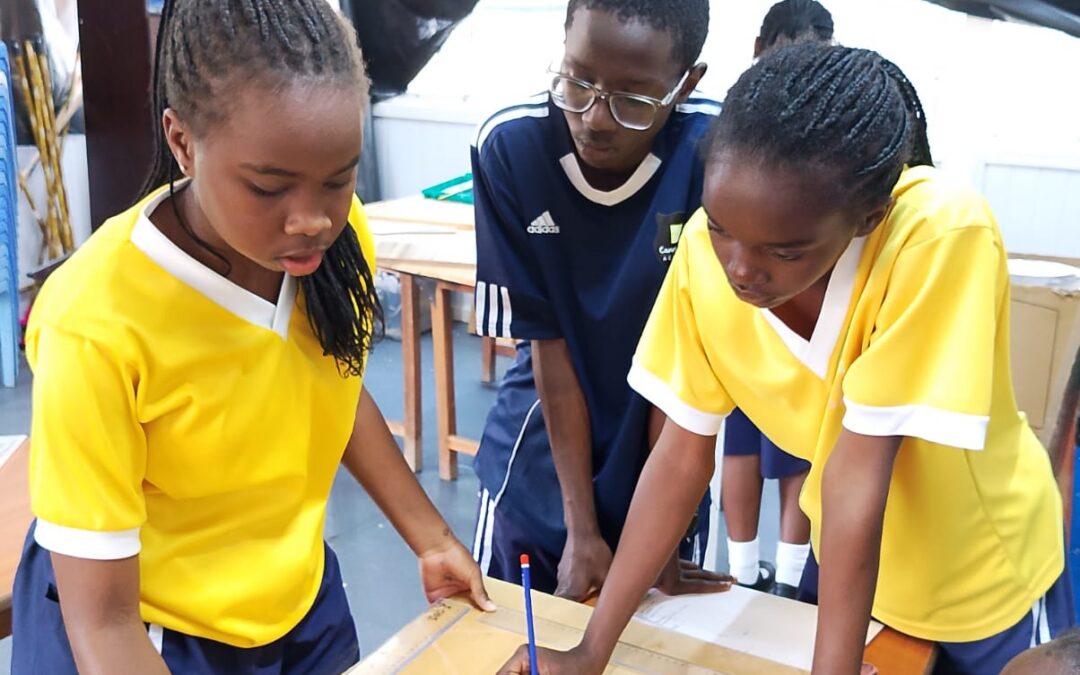
A few months ago, a group of our Grade 10 students noticed something small but real: teachers and students in the staff room kept misplacing remote controls. They interviewed the teachers, sketched out ideas, built a prototype, tested it, watched it fail in small ways, adjusted, and built again. Several iterations later, they had a working remote holder that the Canopy Life community could actually use today.
It’s a simple story. But it captures something we’ve been intentional about building into how our students learn: the shift from sitting in class absorbing information, to noticing a need in the world around them, to actually building something that meets it.
Teaching problem-solving skills begins with helping students recognize that their ideas have value and that they can take action on the needs they notice.
How does Canopy Life approach teaching problem-solving skills and helping students see themselves as capable of creating solutions?
At Canopy Life, our Innovation program is built around developing holistic agents of transformation, and we’ve had to be deliberate about the structures that make that possible.
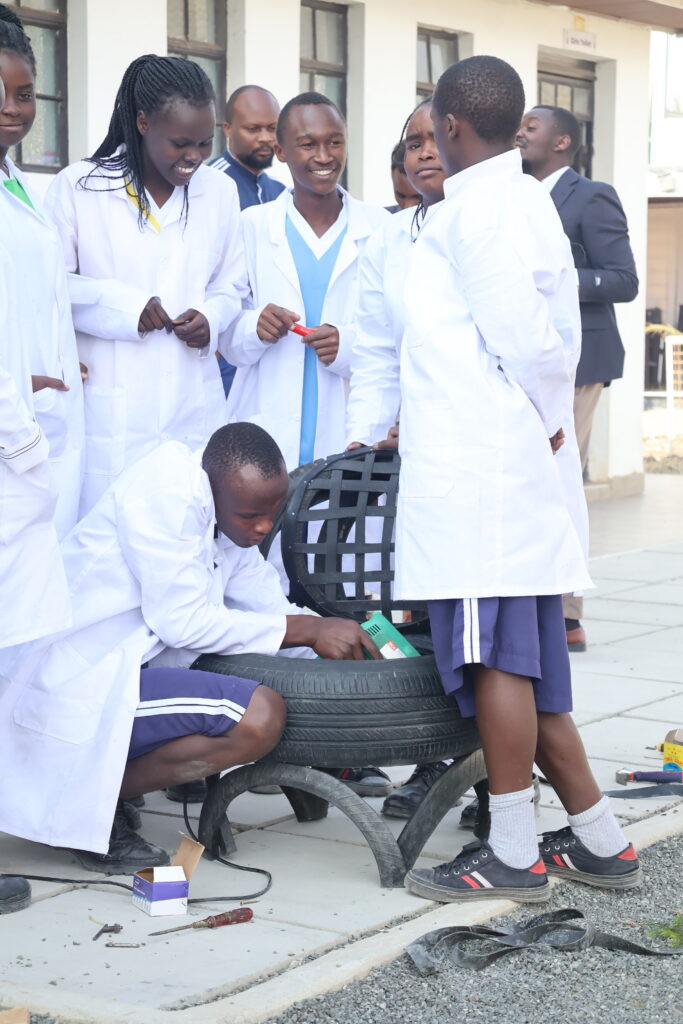
We are using a project-based, competency-based learning curriculum, which means students aren’t just sitting through lessons; they’re doing hands-on skill work during instruction itself. Our maker space gives the opportunity for students’ creativity and problem-solving to actually take shape in something physical. And running through all of it is design thinking: we push students to understand a problem from the perspective of the person experiencing it before they’re allowed to jump to a solution. Add continuous feedback from staff on the projects students are working on, and you get an environment where students build real confidence by tying their ideas to reality.
What advice would you give other educators who want to develop this kind of thinking?
The foundation is culture. You have to build an environment where creativity and critical thinking are genuinely valued, where identifying a real problem and gathering the resources to solve it is treated as legitimate work, not a distraction from “real” learning.
From there, we do our best to get students in front of real users, mainly Canopy Life staff members. That’s where the real competence gets built: understanding what someone actually needs, and learning to build based on their feedback rather than your own assumptions.
Our students are also equipped with fabrication and technology skills: woodwork, leatherwork, metalwork, robotics, and beadwork. This means that an idea doesn’t stay an idea. Students who can build something, however roughly, will keep coming up with things worth building.
What happens when a student brings an idea to the Innovation team?
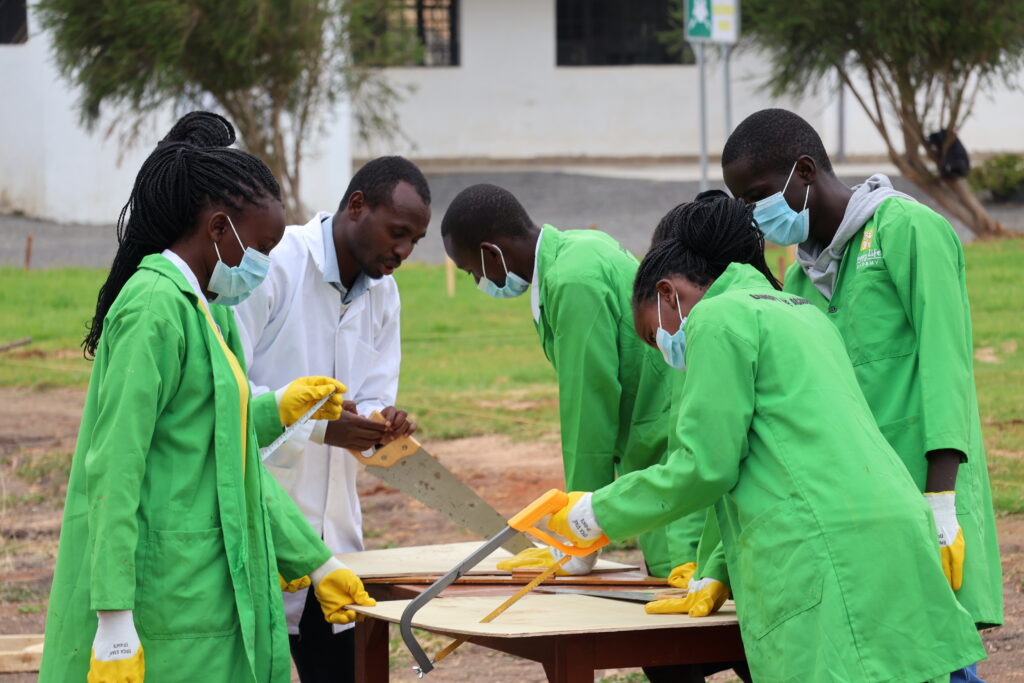
When a student notices a need and brings it to us, mostly in our Innovation sessions, our role isn’t to solve it for them. It’s to assess the problem alongside them, then send them out to do user interviews and start brainstorming solutions themselves.
From there, our job as an innovation team is to guide, offering advice and feedback throughout, without doing the work ourselves. The moment we start building the solution for a student, it stops being theirs. So we stay guides, not doers, which means students carry the ownership of the process from problem to prototype to finished solution.
That’s what happened with the remote holder. Nobody on our team built it. We asked questions, pointed out gaps, celebrated the failed prototypes as much as the working one, and let the students own every part of getting there.
How does this mindset carry beyond Canopy Life?
One example comes from Grace, a Canopy Life alumna now attending university. She and fellow alumna Milka noticed that students wanted affordable perfumes. They started a small business serving students across their two campuses. Their first stock sold out in five days.
Grace describes how her Innovation experience has shaped the way she approaches challenges:
“Innovation has significantly changed the way I look at life. I no longer see every problem as a headache. Instead, I have learned to ask myself, “What opportunity can I create from this problem?”
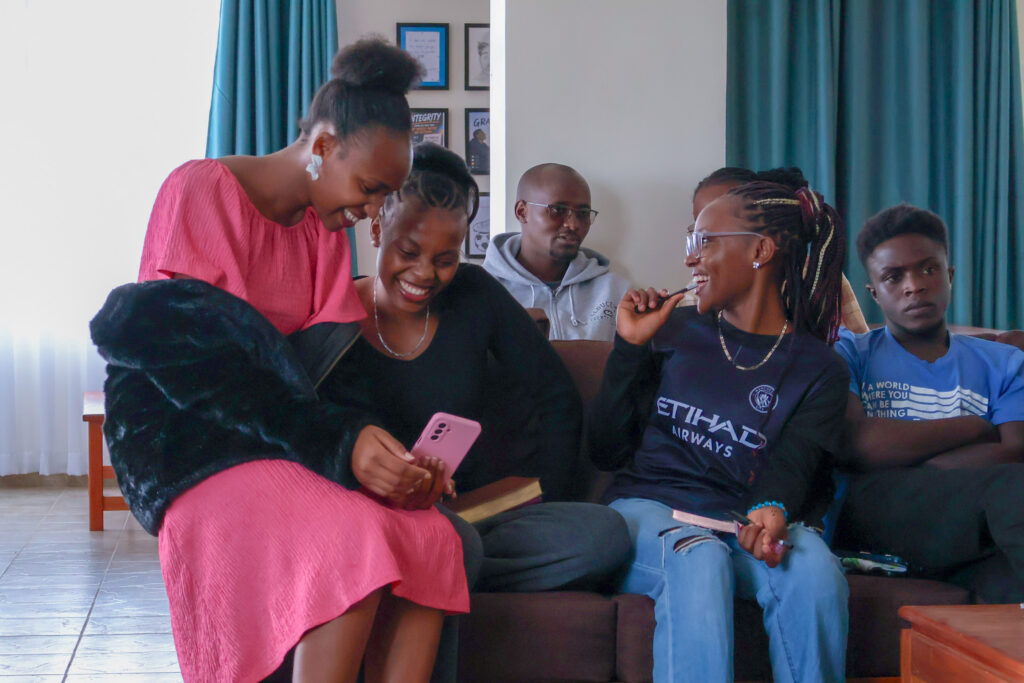
Her experience offers a glimpse of the thinking Davis hopes students will take with them beyond graduation.
The mindset, not just the program
None of this is about producing entrepreneurs in the narrow sense of students who start companies. It’s about producing people who notice what’s broken around them and believe they’re capable of doing something about it. That mentality has been demonstrated clearly by some of our alumni, a true testament to the culture built in the Innovation sessions.
A Note from Canopy Life
And this is where your generosity comes in.
Your support helps Canopy Life cultivate a culture where students are encouraged to ask questions. They are learning to take ownership of their ideas and to believe they have something valuable to contribute. It’s an investment in the way young people see themselves and the world around them.
And the impact doesn’t end when they graduate. Students like Grace are beginning to notice needs and create opportunities. As they begin putting their skills to work in their communities, the impact of your generosity is multiplied. Each problem they solve, each opportunity they create, and each person they empower carries that investment forward.
Your yes today has the potential to shape generations to come.
Help More Students Become Problem Solvers
Your generosity helps create a place where students can explore ideas, develop practical skills, and discover their ability to solve problems. As they carry that mindset into their communities, the impact of your investment continues to grow.