

What happens when you give Canopy Life students a real problem facing communities in Kenya and ask them to build a solution?
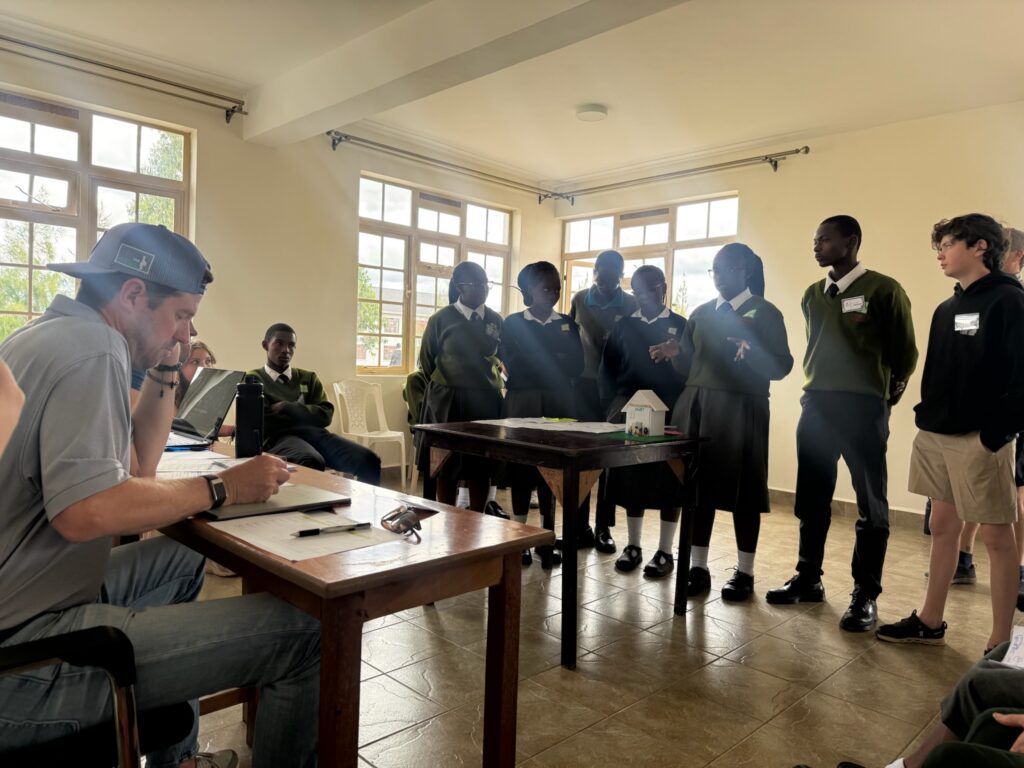
Recently, students had the chance to find out through a “Shark Tank” challenge on campus. Divided into five groups, they were given challenges connected to real needs in Kenya: access to healthcare in rural communities, sustainable and renewable energy, transporting food from farms to markets, access to education in rural areas, and supporting young adults navigating employment and mental health.
From there, the ideas started taking shape.
From a Problem to a Plan
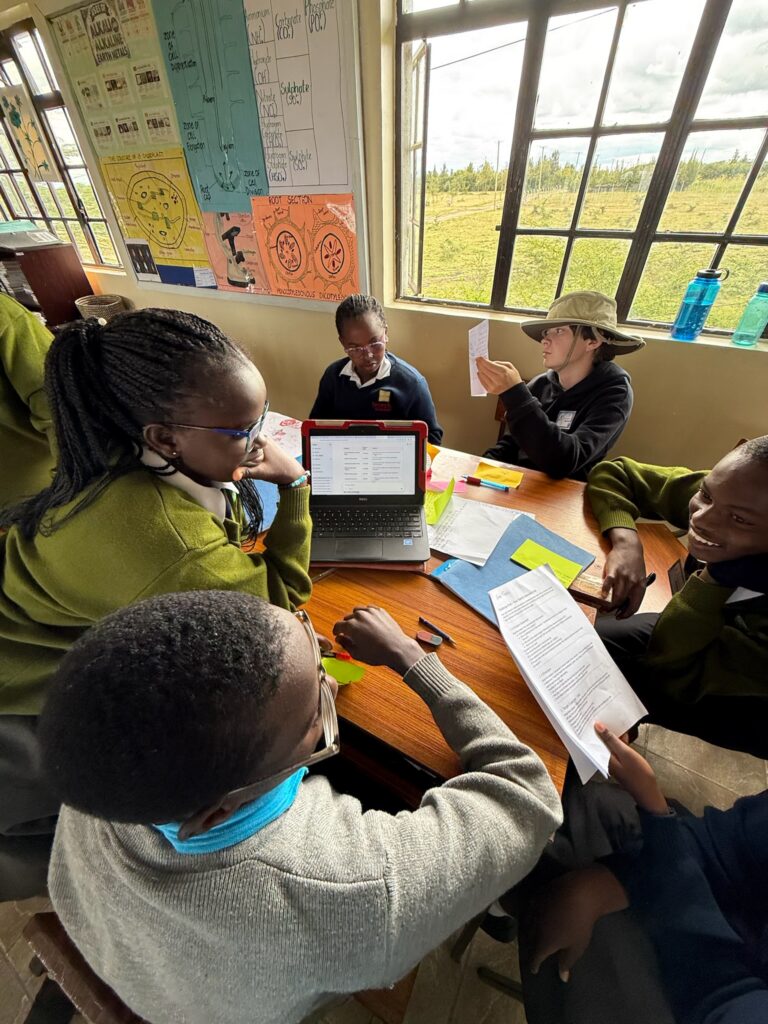
Each group developed a business idea around its challenge, considering who their solution would serve, what resources it would require, how it could work financially, and what would make it useful in the communities they were thinking about.
One group envisioned mobile healthcare units that could travel into rural communities with nurses and a doctor. Along with seeing patients and making referrals, the team proposed spending part of each visit providing health education and resources around first aid and preventing common illnesses.
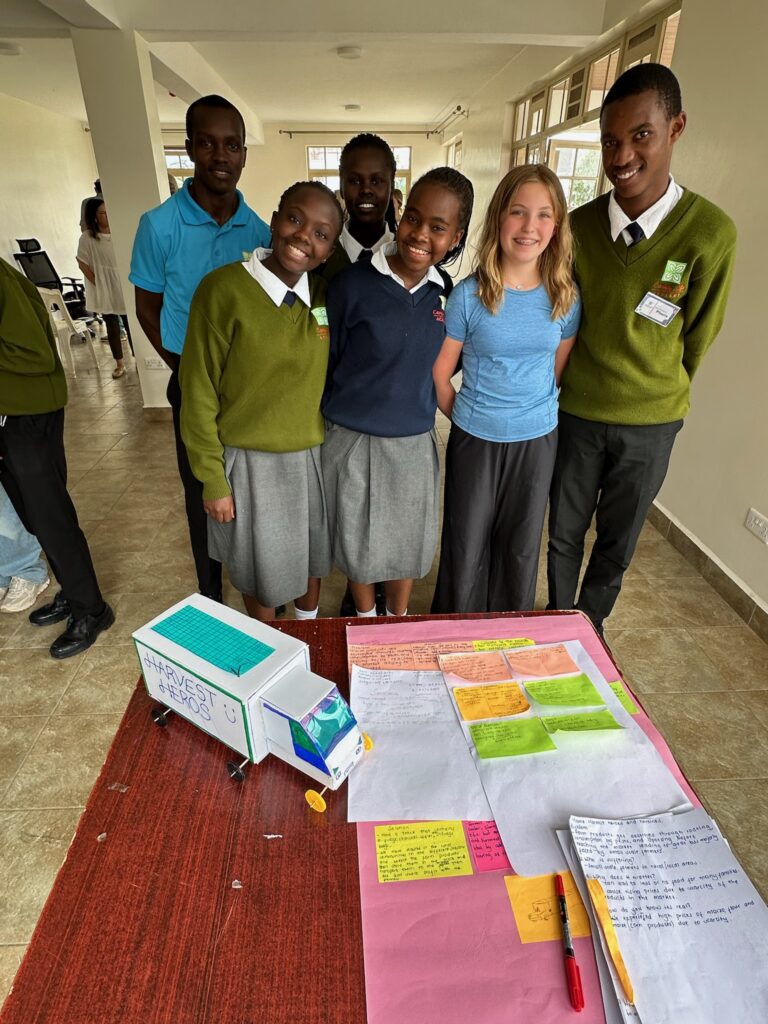
Another group tackled the challenge of getting produce from rural farms to market while maintaining its quality. They designed a multi-compartment transportation vehicle with different storage options for produce. Their business would purchase produce from farmers at a fair price and transport it to larger markets, considering both the needs of farmers and how the business could generate revenue.
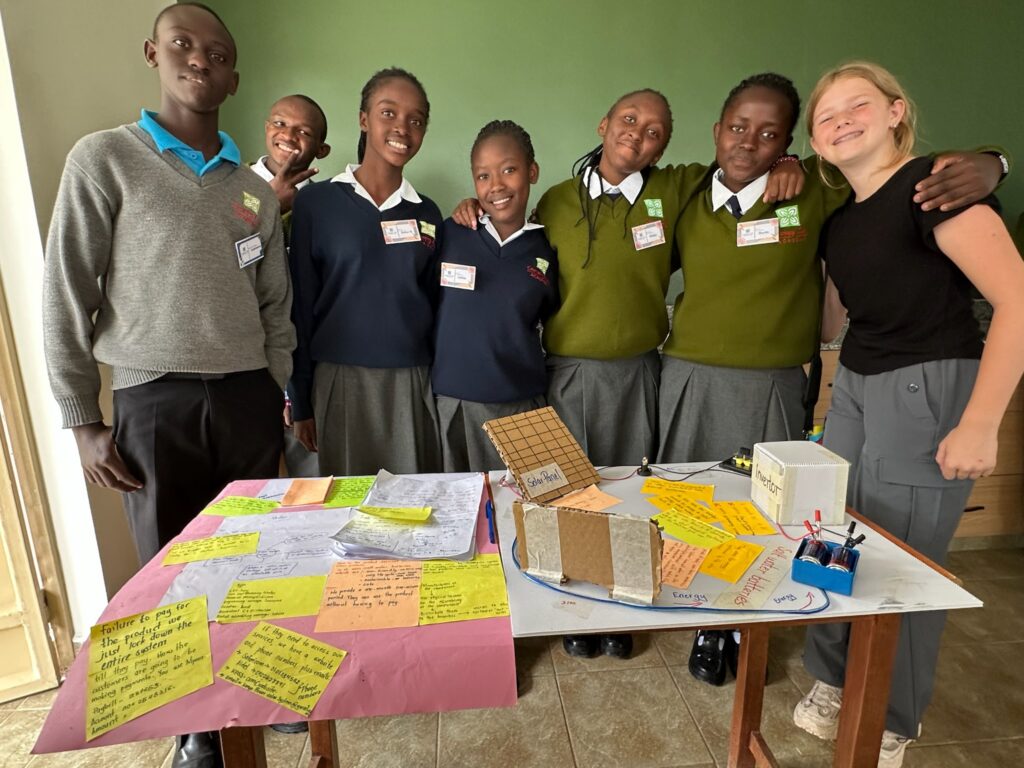
Students exploring renewable energy developed an idea for making solar power more accessible to individual households through installation and payment plans.
Another group imagined a space where young adults could access computers, employment opportunities, networking, and counseling, along with an app that could connect people to some of those resources even when they couldn’t reach the physical location.
A Way of Thinking
For students, this was practice in looking at a problem and asking a question we hope becomes familiar:
What could we do about it?
That question comes up often in Innovation at Canopy Life.
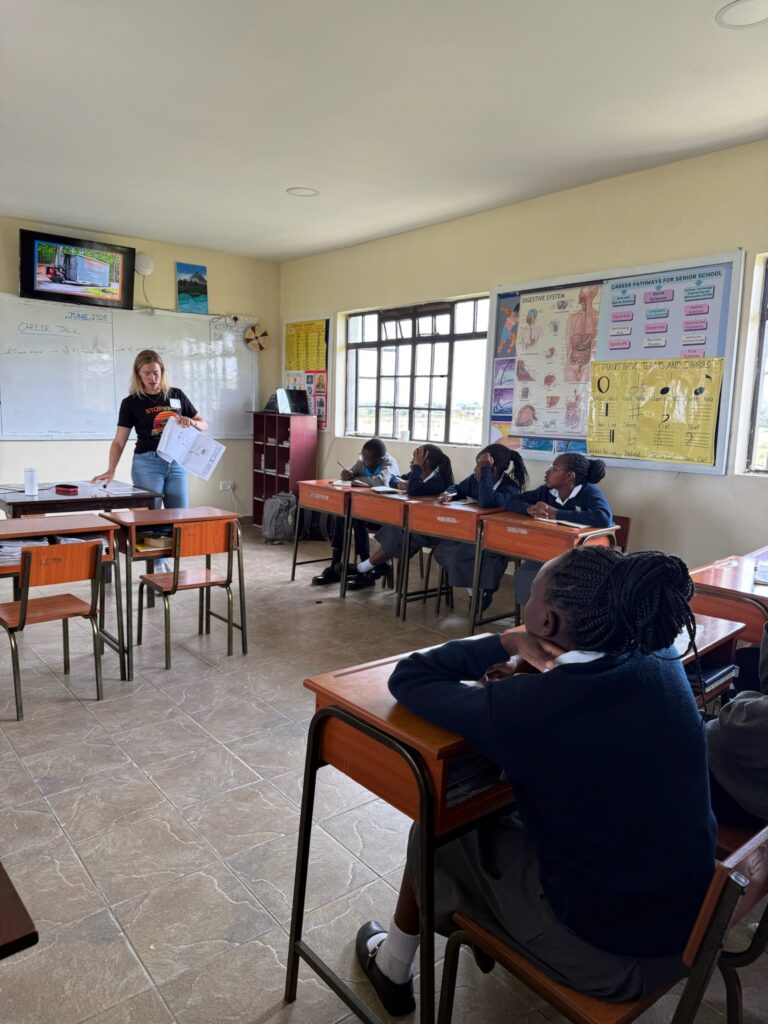
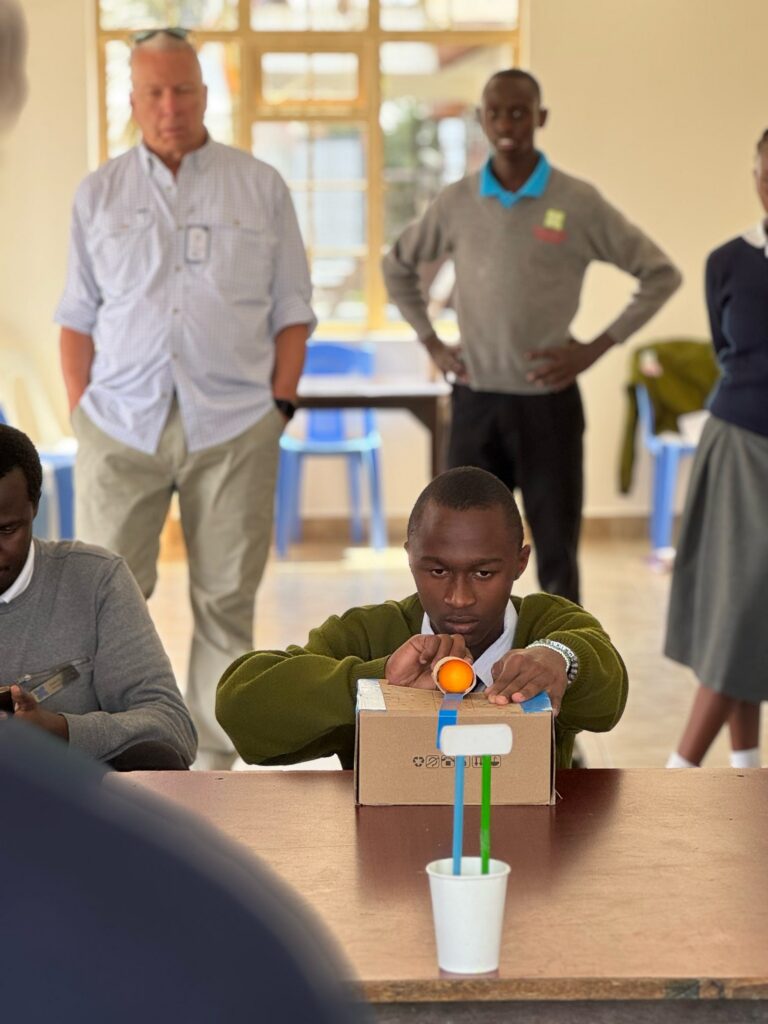
Alongside projects like Shark Tank, students regularly take on hands-on engineering challenges that ask them to build, test, make decisions with limited resources, and adjust their ideas along the way.
In one recent challenge, students created a ball run with an unusual goal: make a ball travel from one point to another as slowly as possible.
They also had to keep an eye on their resources. A certain amount of material was available at no cost to their score, while using additional materials cost them points. Every addition became a decision: Would this improve the design enough to be worth the cost?
One group found inspiration somewhere very familiar.
They added small “speed bumps” along the ball’s route, borrowing the idea from the bumps they see on Kenyan roads and using the same principle to slow their ball.
It’s a small example of what we love seeing in Innovation: students paying attention to the world around them and applying what they know in a new way.
Other engineering challenges have asked students to construct bridges while weighing time against resources and to design a mechanism capable of launching a ping-pong ball accurately enough to knock down a target. They build, see what happens, make changes, and try again.
With each challenge, those problem-solving muscles get a little stronger.
Learning to Share an Idea
The Shark Tank experience also gave students an opportunity to learn alongside visiting business leaders.
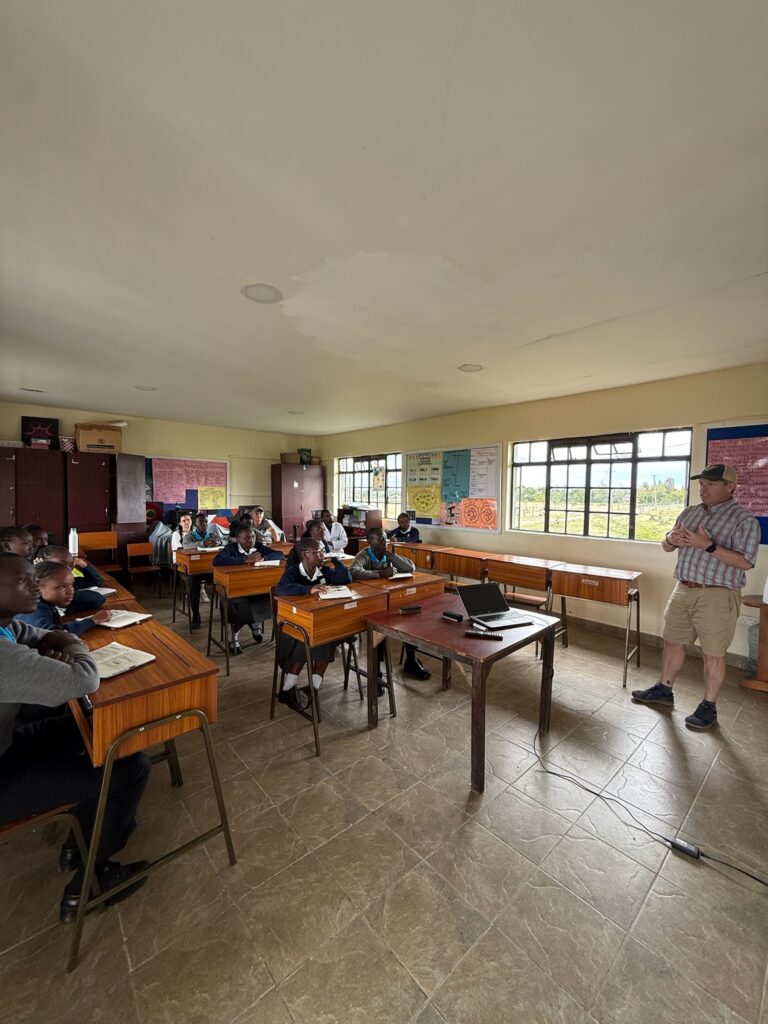
Before the challenge, members of the visiting YPO team talked with students about the businesses they own and lead, how they entered their fields, and challenges they have encountered along the way.
When it was time for students to develop their Shark Tank ideas, members of the team joined the groups as advisors and resources. A separate panel later stepped into the role of the “sharks” for the presentations.
It gave students the chance to practice something they’ll need far beyond an Innovation classroom: explaining an idea clearly and answering questions about how it could actually work.
Building Confidence and Using New Tools
As these experiences continue, Canopy Life hopes students will grow increasingly comfortable developing an elevator pitch, responding to questions from business leaders, and eventually being prepared to share a strong idea with potential investors or venture capitalists.
They’re also learning how to use new tools wisely along the way.
While developing their businesses, students used Chromebooks and, in some cases, AI to research their ideas. Staff noticed students asking questions about things like current costs and existing options, then using that information to think through how their own solution could work.
Here’s what was interesting. Even though the students utilized AI, it was their ideas, not AI, driving the research.
Practicing Today for What They May Build Tomorrow
This is where Innovation connects so closely with Canopy Life’s vision for students as Agents of Transformation.
We want students to grow into people who can recognize challenges around them and have the skills, creativity, and confidence to begin working toward solutions.
They may carry those skills into university or a future career. They may start businesses of their own. They may return to their home communities and recognize an opportunity to solve a problem that has affected families there for years.
There is even a future vision for students to help think through business ideas that could diversify revenue and contribute to the long-term sustainability of Canopy Life in Kenya.
Imagine what that could look like years from now: a student who grew up practicing how to identify problems, work within constraints, research possibilities, develop a business model, and pitch an idea helping create something that strengthens their community, or even the organization that helped invest in them.
We don’t know yet what these students will build.
For now, they’re practicing. They’re testing ideas, learning from what doesn’t work, asking better questions, and discovering that their own creativity has something to contribute.
With every challenge, they’re building the confidence to look at a problem and believe they can be part of the solution.
And one day, we hope to see where that belief—and the skills they’re building alongside it—will lead.